


Distilled water
High-purity water is collected from a separate distilled-water outlet for daily use.
BiAGUAは、太陽の光を生かす革新的な方法で、人類にとって重要な課題の一つである、清潔な飲み水の確保に取り組みます。太陽エネルギーだけで蒸留水と生活用のお湯をつくり、一つのシステムで日々の二つのニーズに応えます。 上下を反転させた真空ガラス管の革新的な活用と、自然の働きを生かした巧みなパッシブ設計により、BiAGUAは太陽エネルギーだけで蒸留水とお湯をつくります。単に水を温めるだけでなく、蒸留水と同等の純度を持つきれいな水を、より手軽に、より経済的に得られるようにします。飲料水の購入や交換用フィルターへの依存を減らすことで、世界各地の地域社会の健やかな暮らしと、水を自ら確保する力を支えることを目指しています。
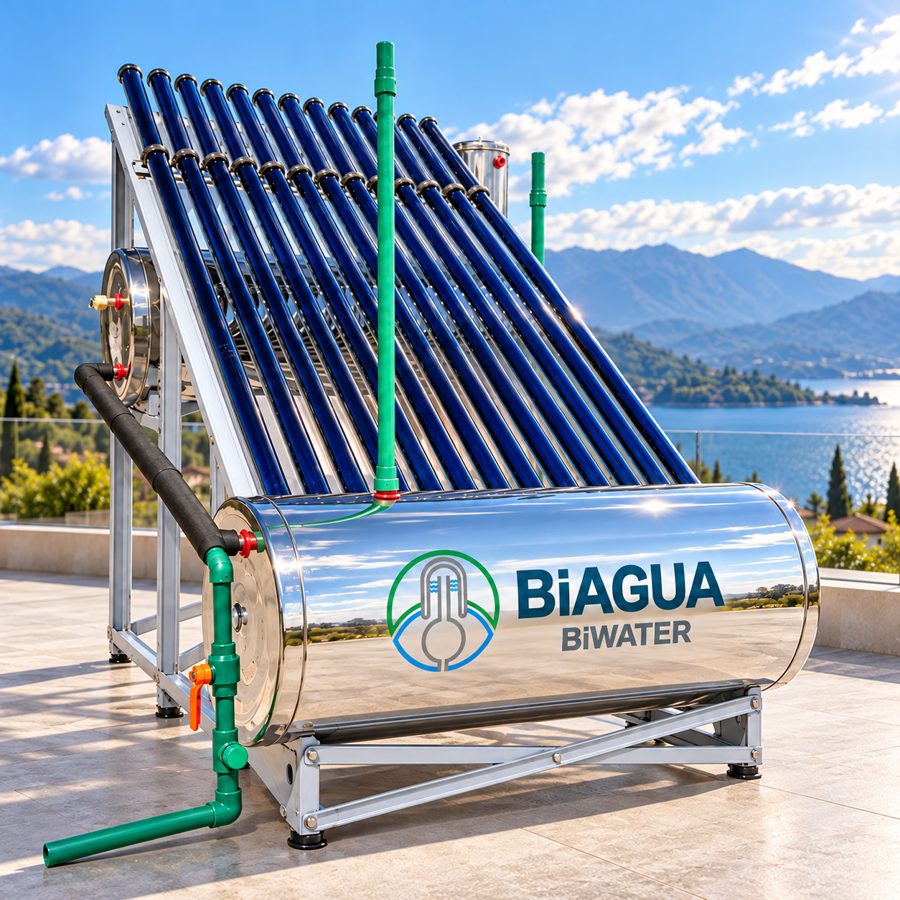
BiAGUA overcomes the limitations of conventional solar water heaters and electrical water purifiers, operating entirely at atmospheric pressure to efficiently produce distilled water and domestic hot water at the same time.
High-purity water is collected from a separate distilled-water outlet for daily use.
Recovered condensation heat helps warm domestic water for bathing, washing and cleaning.
Solar heat supplies both outputs, reducing dependence on purchased water and conventional water-heating energy.
A passive solar process reduces energy demand and disposable purification consumables.

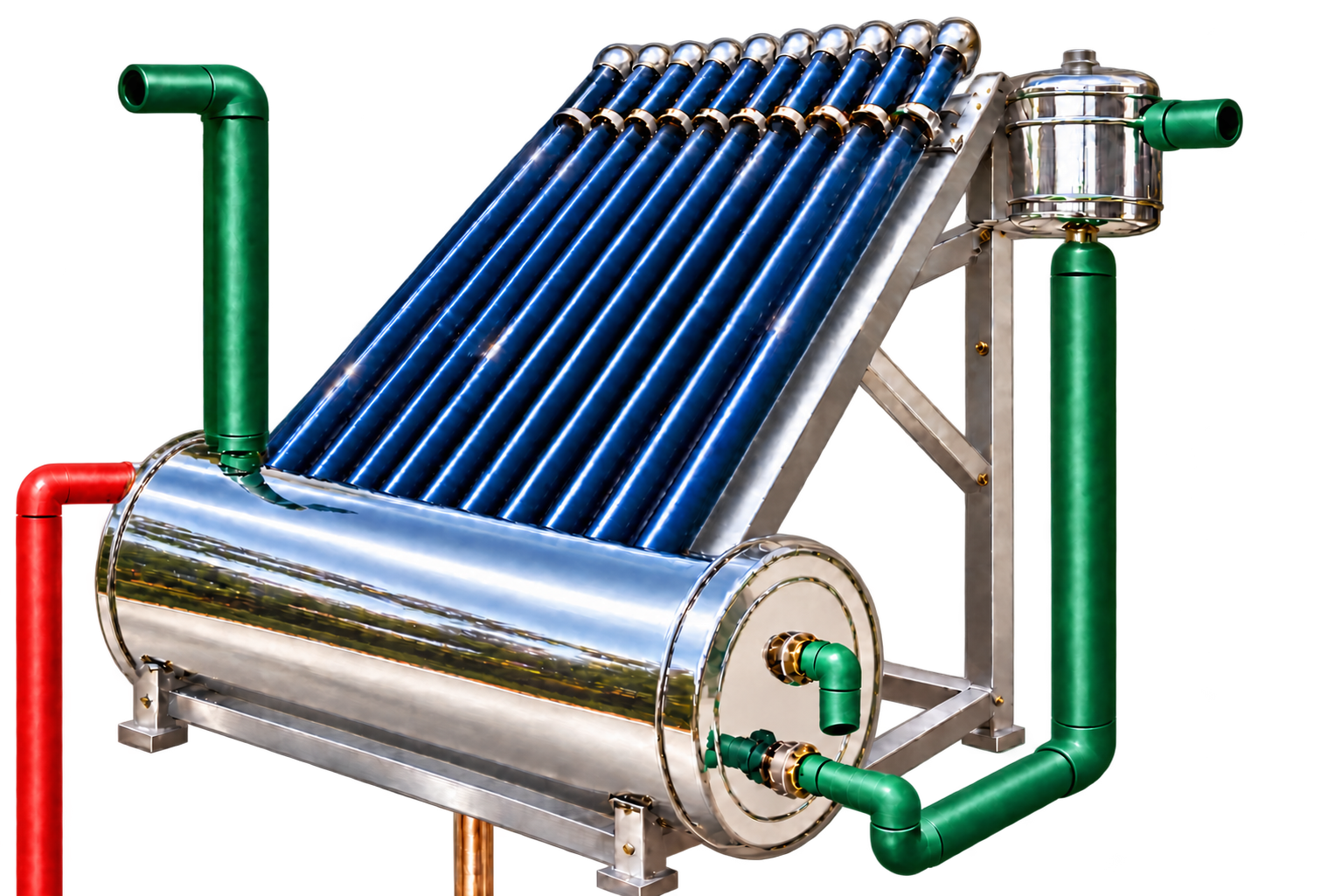
Evacuated glass tubes capture sunlight and generate vapor. Stainless-steel conduits guide the vapor down to a condenser inside the insulated water tank. As distilled water forms, condensation heat is recovered to warm the surrounding domestic water. The two products leave through separate outlets.
Operating at atmospheric pressure, BiAGUA uses natural solar heating, evaporation and condensation. Its distillation process needs no electricity, filter cartridge, RO membrane, pump or anti-scaling chemical. Producing high-purity water at home can become more accessible and affordable; actual output and savings depend on local conditions.
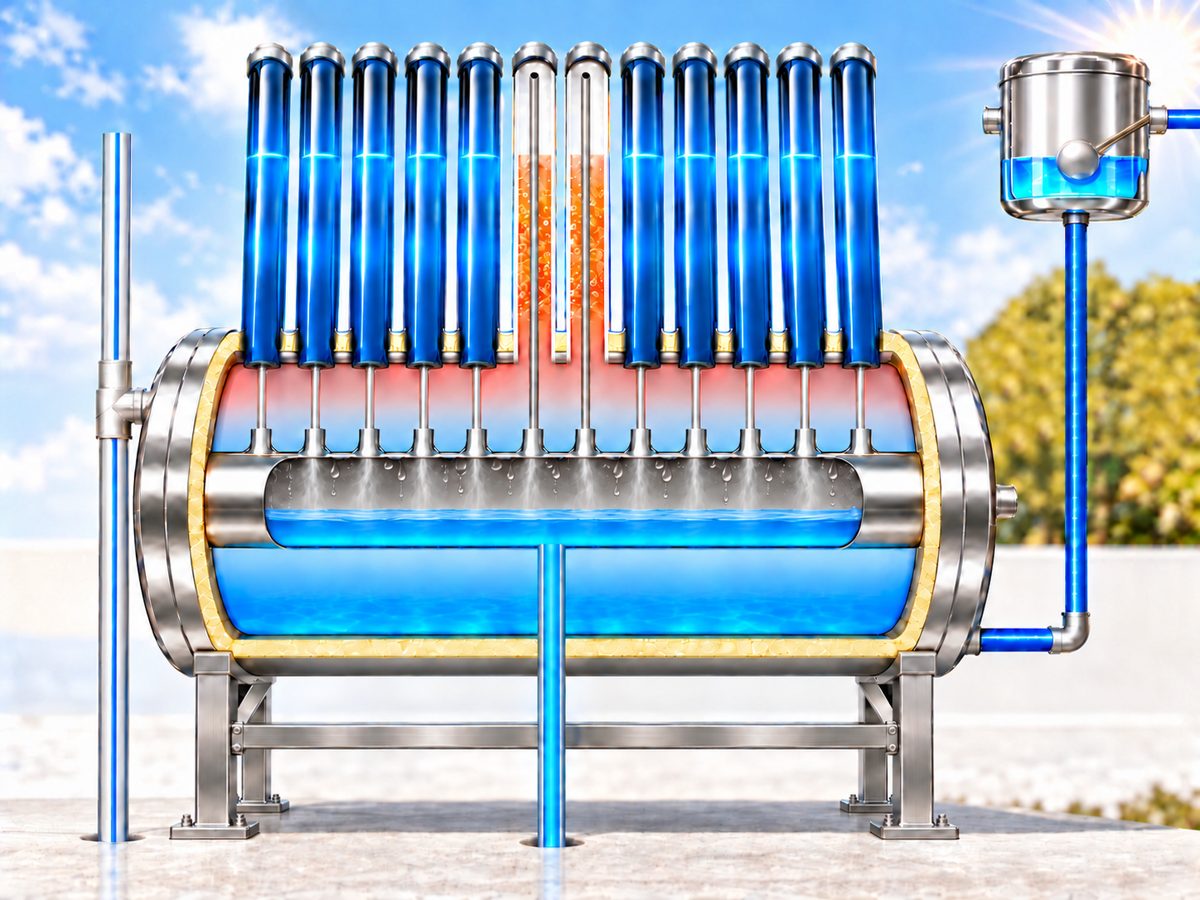
BiAGUAの構造と動作原理 BiAGUAは、太陽熱による蒸留と生活用のお湯づくりを、一つのコンパクトなパッシブシステムに統合しています。主な構成部品は、上下を反転させた真空ガラス管、ステンレス製の蒸気導管、内蔵凝縮器、断熱された貯湯タンク、高い位置に設けられた補給水タンクです。 給水と水位の制御 高所に設置された補給水タンクは、重力によって水を供給し、真空ガラス管の上部に運転時の水位を維持します。水面より上では、各管の閉じた上端と水面の間に円筒状の蒸気室が形成されます。 凝縮器の中央部にある通気・オーバーフロー接続口は、水位の変化に応じた空気の出入りを可能にします。給水時には、上昇する水がガラス管内の空気を押し出し、空気は蒸気導管を通って凝縮器に入り、通気口から排出されます。水位が下がると、空気は同じ経路を逆に流れ、水面上に生じた空間を満たします。運転条件によって、通気口からは空気、水蒸気、または両者の混合気が排出されます。 この接続口は、余分な蒸留水の排出口も兼ねています。凝縮器内の液面を制限することで、たまった水が蒸気入口をふさぐのを防ぐ役割を果たします。 太陽熱による加熱と蒸気の流れ 真空管が吸収した太陽放射は、管内の水を加熱して蒸発させます。発生した蒸気は、水面上の蒸気室に集まります。蒸気が蓄積すると、凝縮器に対してわずかな圧力差が生じ、蒸気は導管の開いた入口へ押し込まれ、下方の凝縮器へ流れます。 各導管の入口は、運転水位より上にある蒸気室の上端近くに配置されています。水面と入口の間の空間は、液滴が蒸気から分離するための余地を与えます。十分な蒸気室の高さを確保すると、溶解した不純物を含む飛まつや液滴が蒸気とともに運ばれる量を減らすことができ、回収する蒸留水の純度向上に役立ちます。 凝縮と熱回収 凝縮器では、蒸気がステンレス壁を通して周囲の生活用水へ熱を伝えます。熱を放出した蒸気は液体の水に凝縮し、別の経路で回収されます。蒸留水と生活用のお湯は、それぞれ独立した出口から取り出され、二つの水の流れは分離されたまま保たれます。 これらの過程は、高度に断熱された領域の中で、連携した順序で進みます。ガラス管の真空断熱とタンク周囲の断熱材が、外部への熱損失を抑えます。 温度差がある場合には、蒸気導管からガラス管内の周囲の水へ熱が移ることもあります。この内部熱交換は、エネルギーをシステム内に保ち、さらなる蒸発に寄与する場合があります。凝縮器では、凝縮時に放出される熱を回収し、生活用水の加熱に利用します。 一つの太陽エネルギー入力から、二つの有用な出力 BiAGUAは、集めた太陽熱をまず水の蒸発に利用し、次に凝縮する蒸気から熱を回収して生活用水を温めます。蒸留によって水を溶解塩類やその他の不揮発性不純物から分離し、熱回収によって同じエネルギーにもう一つの役割を与えます。 この統合により、一つの太陽エネルギー入力から、蒸留水と生活用のお湯という二つの有用な出力が得られます。中核となる過程は、電動ポンプ、フィルターカートリッジ、逆浸透膜を使用せず、パッシブに動作します。
Sunlight heats water in the evacuated glass tubes.
Water evaporates; vapor gathers above the water level.
Stainless-steel conduits carry vapor to the condenser.
Vapor forms distilled water as its released heat warms the tank.
Collect distilled water and draw domestic hot water from separate outlets.
One passive solar technology supports household hot water and produces distilled water. Explore the design choices behind efficiency, simpler maintenance and a lower-plastic-contact water path.
Solar heat first generates vapor; condensation heat then contributes to warming domestic water.
Vapor condensation separates many dissolved salts and non-volatile substances from water. Test output before claiming drinking-water suitability.
The distillation process has no filter cartridge, RO membrane or anti-scaling chemical to replace.
Atmospheric-pressure operation and a vapor path without an external pump support simpler maintenance.
Glass tubes, stainless-steel vapor conduits and a stainless-steel condenser minimize plastic contact in the principal water-production path.
Compare six tube configurations and indicative daily production. Output depends on sunlight, climate, inlet-water temperature and operating conditions.
| Model | Tubes | Distilled water L/day | Hot water L/day | CO₂ avoided kg/year* |
|---|---|---|---|---|
| SD-12/1800-6/120 | 12 | 4–8 | 120 | 591 |
| SD-15/1800-7.5/150 | 15 | 5–10 | 150 | 739 |
| SD-18/1800-9/180 | 18 | 6–12 | 180 | 887 |
| SD-20/1800-10/200 | 20 | 7–13 | 200 | 986 |
| SD-24/1800-12/240 | 24 | 8–16 | 240 | 1,183 |
| SD-30/1800-15/300 | 30 | 10–20 | 300 | 1,478 |
*Results depend on solar radiation, climate, inlet-water temperature, location and operating conditions.
| Market | 19 L bottled water | Value of 3,000 L/year | 60,000 L hot-water value / year | Total value / year |
|---|---|---|---|---|
| United States | USD $6–10 | USD $950–1,580 | ≈ USD $330 | USD $1,280–1,910 |
| Europe | USD $9–18 | USD $1,420–2,840 | ≈ USD $495 | USD $1,915–3,335 |
| Middle East | USD $2.70–4.00 | USD $430–630 | ≈ USD $155 | USD $585–785 |
| South Asia | USD $1.20–2.50 | USD $190–400 | ≈ USD $155 | USD $345–555 |
| Africa | USD $1.50–6.00 | USD $240–950 | ≈ USD $270 | USD $510–1,220 |
| South America | USD $3.50–9.00 | USD $550–1,420 | ≈ USD $350 | USD $900–1,770 |
Hot-water values assume 60,000 L/year heated from 20°C to 45°C at 90% efficiency. The total adds the value of 3,000 L/year of distilled water, estimated using 19 L bottled-water reference prices, to that market's hot-water estimate. These are not current quotes or projected savings; check local prices and costs.
1. Greater value from sunlight — BiAGUA adds distilled-water production to solar water heating, delivering greater value from the same sunlight. 2. Helps sustain performance — Downward-opening tubes and recurring water-level changes help flush loose sediment and sustain performance, reducing buildup. 3. Easier integration of freeze protection — Tubes positioned above the tank can benefit from an optional tank heater for freeze protection. 4. Greater water independence — On-site distilled-water production also reduces dependence on purchased drinking water and its deliveries.
1. Purification powered by sunlight — solar evaporation and condensation produce high-purity distilled water without electricity, motors, pumps, filter cartridges, RO membranes, or antiscaling chemicals in the core process. 2. Effective microbial protection — thermal distillation provides an effective barrier against bacteria and viruses. 3. Constant High Purity without filter exhaustion — purification does not rely on cartridges that gradually become saturated. Proper operation, periodic cleaning, and hygienic collection and storage help maintain consistent water quality. 4. Less contact with plastics — glass tubes, stainless steel vapor conduits, and a stainless steel condenser minimize plastic contact along the main distillation path. 5. Distilled water plus hot water — recovered condensation heat warms domestic water, delivering two useful outputs from the same solar input. 6. Lower recurring costs — sunlight supplies process energy, while eliminating replacement purification cartridges and membranes reduces ongoing consumable expenses. 7. Built for long service life — passive operation at atmospheric pressure, without motors, pumps, or electronic control circuits in the core process, means fewer potential failure points. 8. Easy visual checking — after distillation and residual drainage stop at night or early morning, a dry outlet helps indicate that source water is not crossing into the distilled-water path, adding confidence in the next day’s production. 9. Greater independence — reduce reliance on electricity, replacement supplies, and purchased drinking water.
Questions about output, water quality, installation, maintenance and importing.
It produces distilled water and domestic hot water using the same solar heat input. The two water streams have separate outlets.
The reference average is about 10 litres of distilled water and 200 litres of hot water per day. Actual output varies with sunlight, climate, inlet-water temperature and use; some days produce less and others more.
Sunlight heats water inside inverted evacuated tubes. Vapor travels through stainless-steel conduits to a condenser. Condensation produces distilled water and releases heat to the domestic-water side.
The solar distillation process uses solar heat and does not require a powered pump, treatment filter cartridges or RO membranes. Any optional backup equipment has its own requirements.
Feedwater must be assessed for the intended application. Distillation does not remove every volatile chemical; collected water should be tested before drinking use.
No. Inspect the system and outlets, keep the collection path clean, and remove deposits as required by feedwater quality and operating conditions.
A sunny location, suitable structural support, the correct water supply arrangement and separate collection plumbing. Keep the condenser vent open and follow the model-specific installation instructions.
Send your country, contact details and requirements through Enquiry. Our team can discuss model selection, quantities, shipping and branding during follow-up.
A new generation of solar thermal technology that produces purified water while simultaneously providing domestic hot water, making greater use of the solar energy captured by evacuated glass tubes.
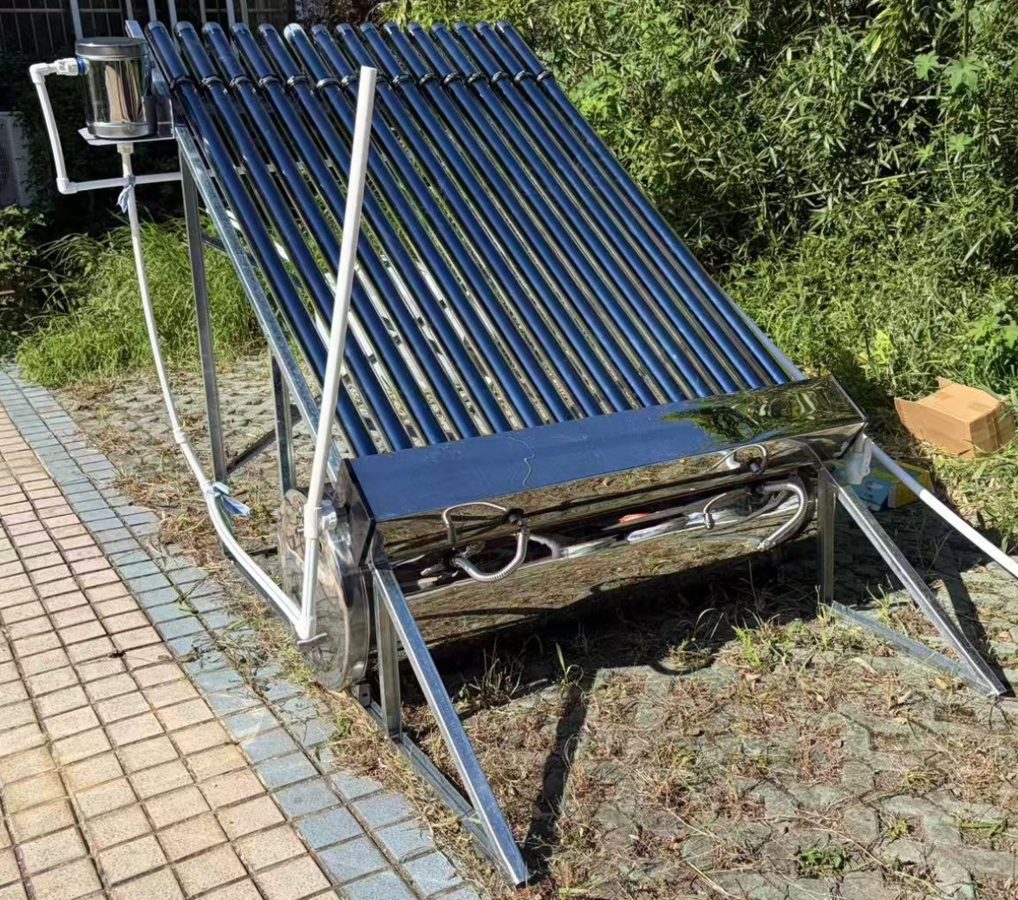
Decentralized solar desalination systems designed to produce fresh water from seawater or brackish water using solar thermal energy, reducing dependence on electricity-intensive desalination equipment and disposable treatment consumables.
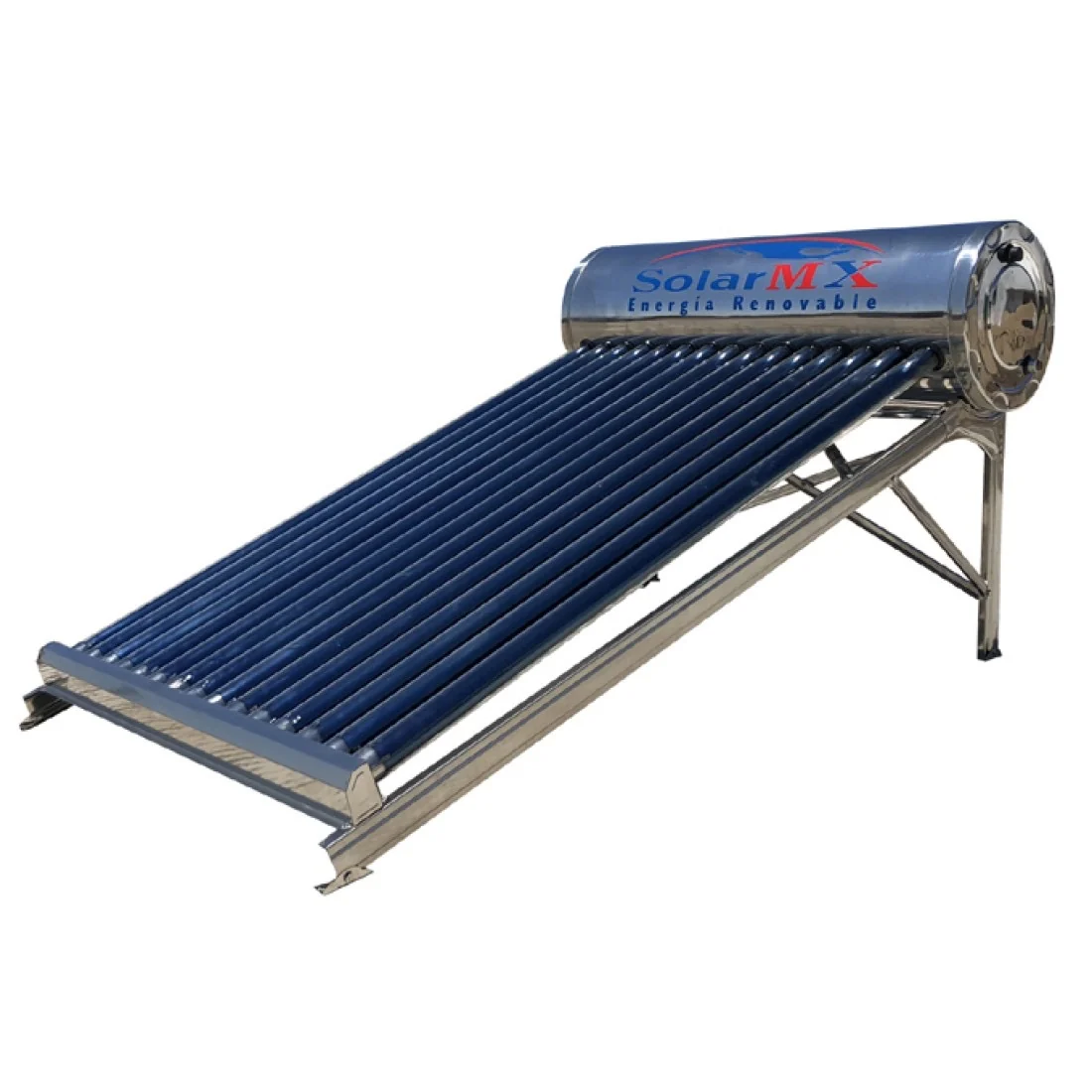
Reliable solar water heating systems that convert solar radiation directly into useful hot water for residential, commercial and institutional applications, reducing conventional energy consumption and operating costs.

We specialize in the design and manufacturing of advanced solar thermal products, with strong expertise in pre-heat exchanging solar water heaters for residential, commercial, and industrial applications. We are also the developer of Solar BiAGUA solar distillation water heaters with multi-country patents, which will also be applied to solar desalination. Our vision is: “Wherever there is sunlight and sea water, there will be sufficient clean water.”